

The education sector of Ho Chi Minh City has always been associated with phrases such as proactiveness, creativity, and daring to think and act. This spirit, together with the “open” mechanism of the renovation period, has brought about remarkable achievements.
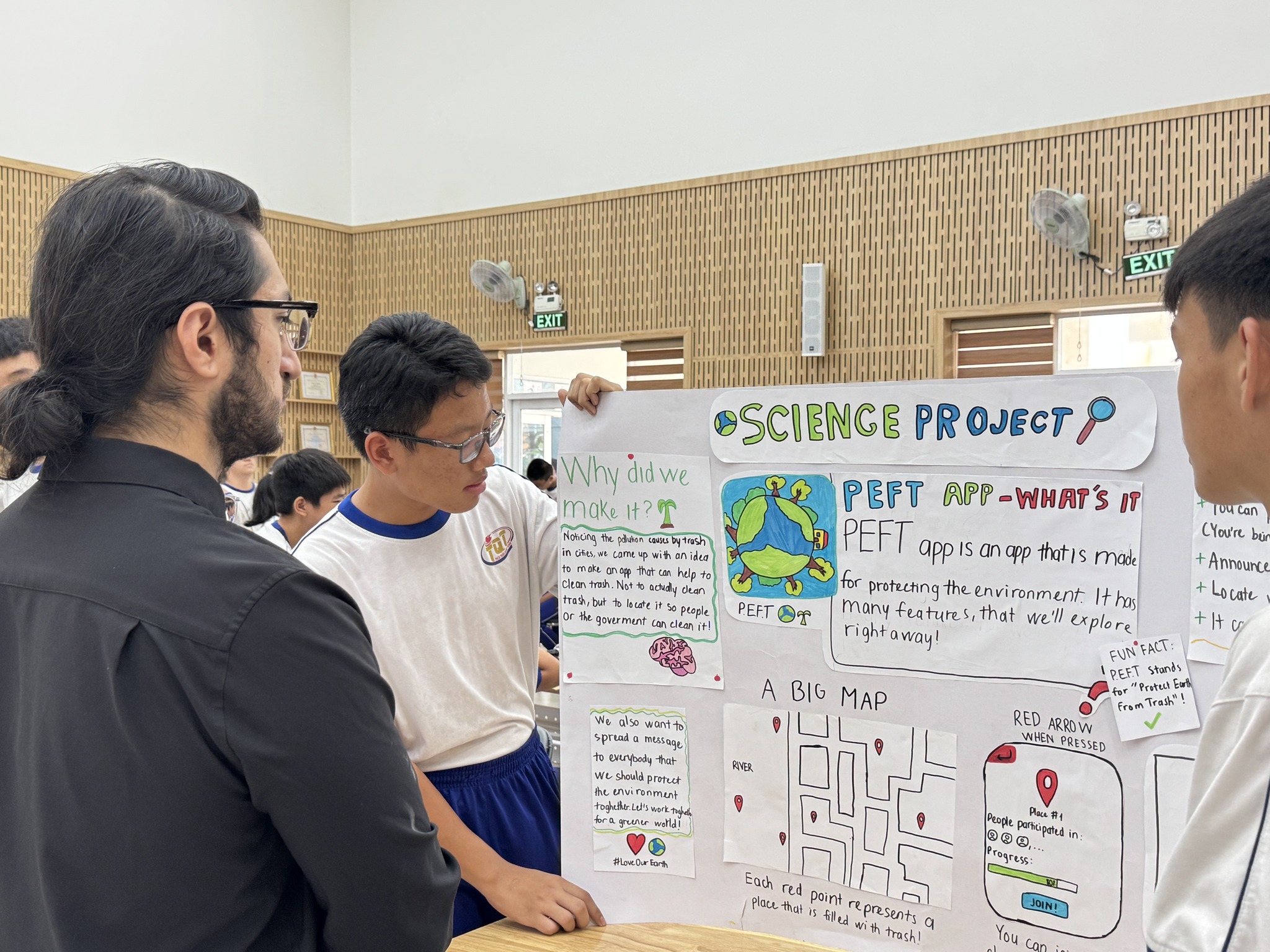
Students in Ho Chi Minh City study Mathematics and Science with foreign teachers under Project 5695
10 years with Project 5695
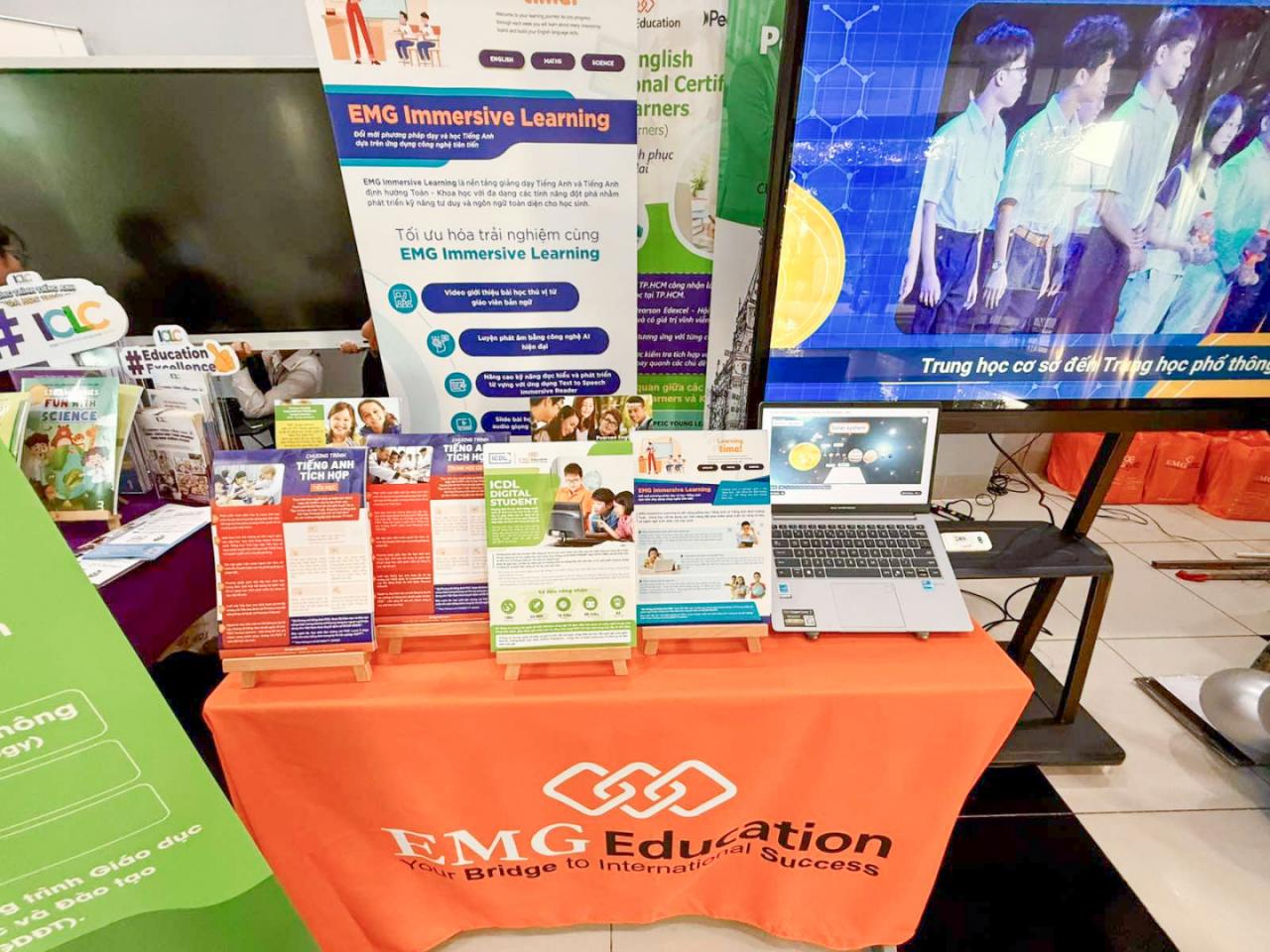
Project 5695’s full name is “Teaching and learning Mathematics, Science and English integrated between the UK and Vietnamese curricula”, approved by the People’s Committee of Ho Chi Minh City in 2014.
In the early stage, Project 5695 was implemented in only 18 schools across 3 districts with 600 students. Up to now, more than 30,000 students from 160 schools in 20 districts have been studying the Integrated English Program, with EMG Education as the implementation partner.
According to Mr. Nguyễn Bảo Quốc – Deputy Director of the Ho Chi Minh City Department of Education and Training, the learning outcomes of students participating in Project 5695 have always been high, especially in Mathematics and Science. The proportion of students achieving good scores in periodic and final tests in Mathematics and Science in English consistently reaches 85%–90%.
In addition, the average Pass rate of students taking the international Pearson Edexcel certification over 10 years is as follows: Primary: 86%, Lower Secondary: 92%, Upper Secondary: 96%.
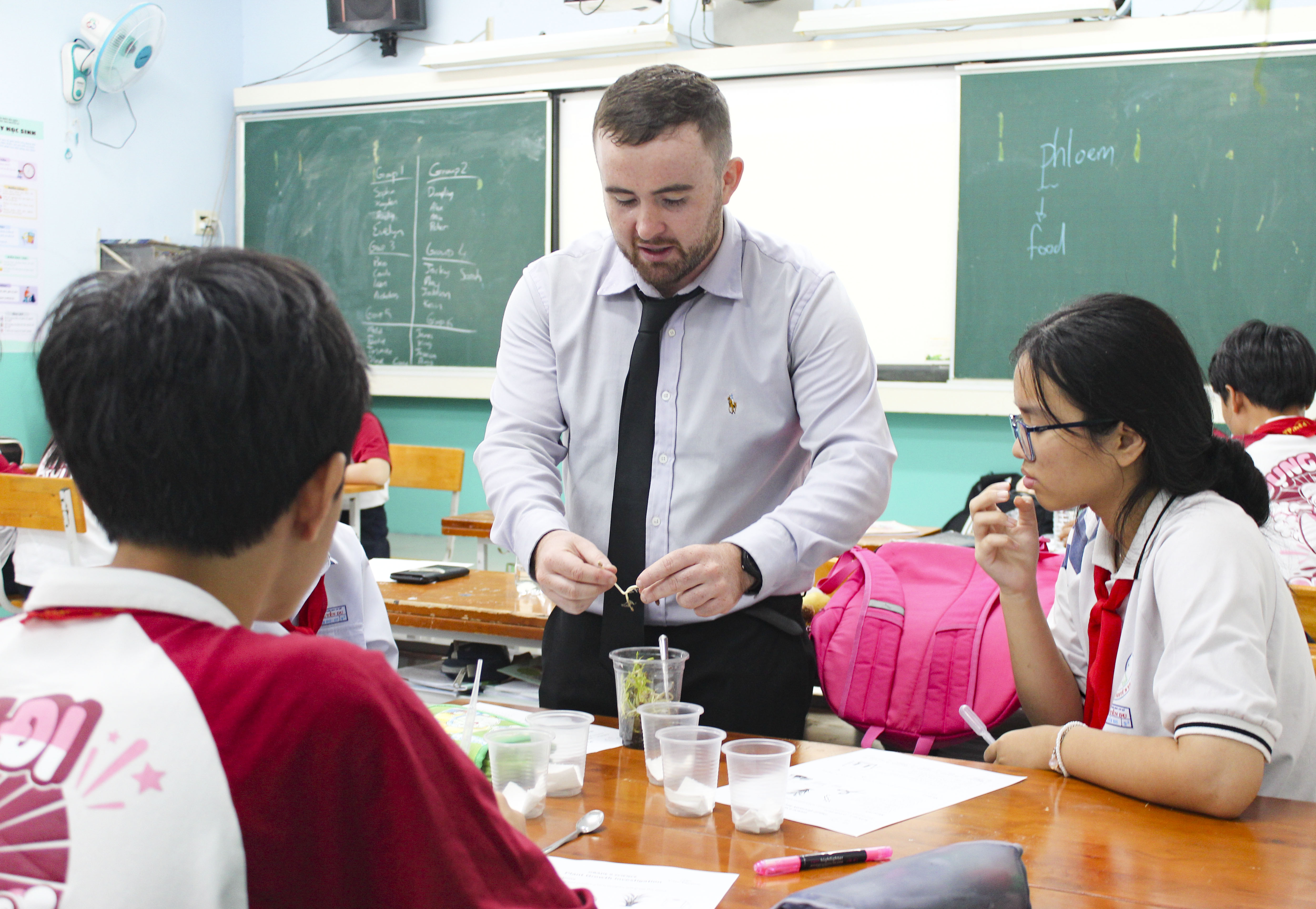
Students in Ho Chi Minh City study Mathematics and Science with foreign teachers under Project 5695
Mr. Quốc added: “Most students, after completing the program at each level, achieve proficiency corresponding to the 6-level Foreign Language Competency Framework of the Ministry of Education and Training, equivalent to the levels of the Common European Framework of Reference (CEFR). Many students can communicate fluently in English, especially in academic and scientific contexts.”
Over more than 10 years of implementation, Project 5695 has helped many students achieve high results in international academic competitions.
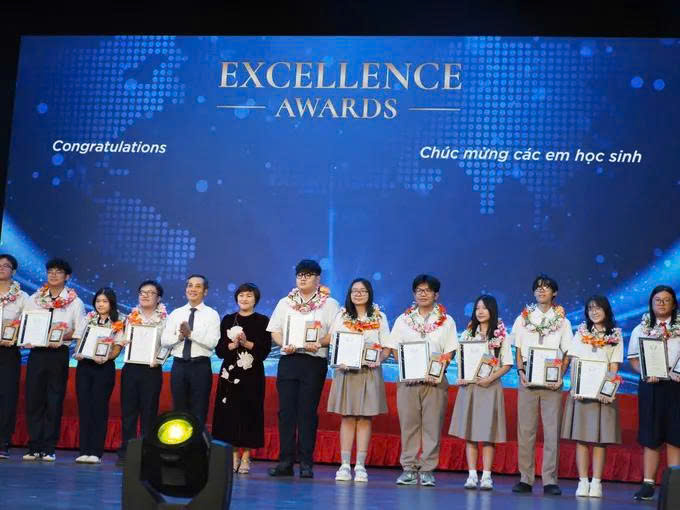
Specifically, many students have won top prizes in Mathematics and Science in English at international math competitions: 5 students achieved the highest scores in the world in Pearson Edexcel international examinations; 41 students received the Outstanding Learners Awards for highest scores nationwide; 119 students received the Excellence Awards for outstanding achievement from the Pearson Edexcel International Examination Board.
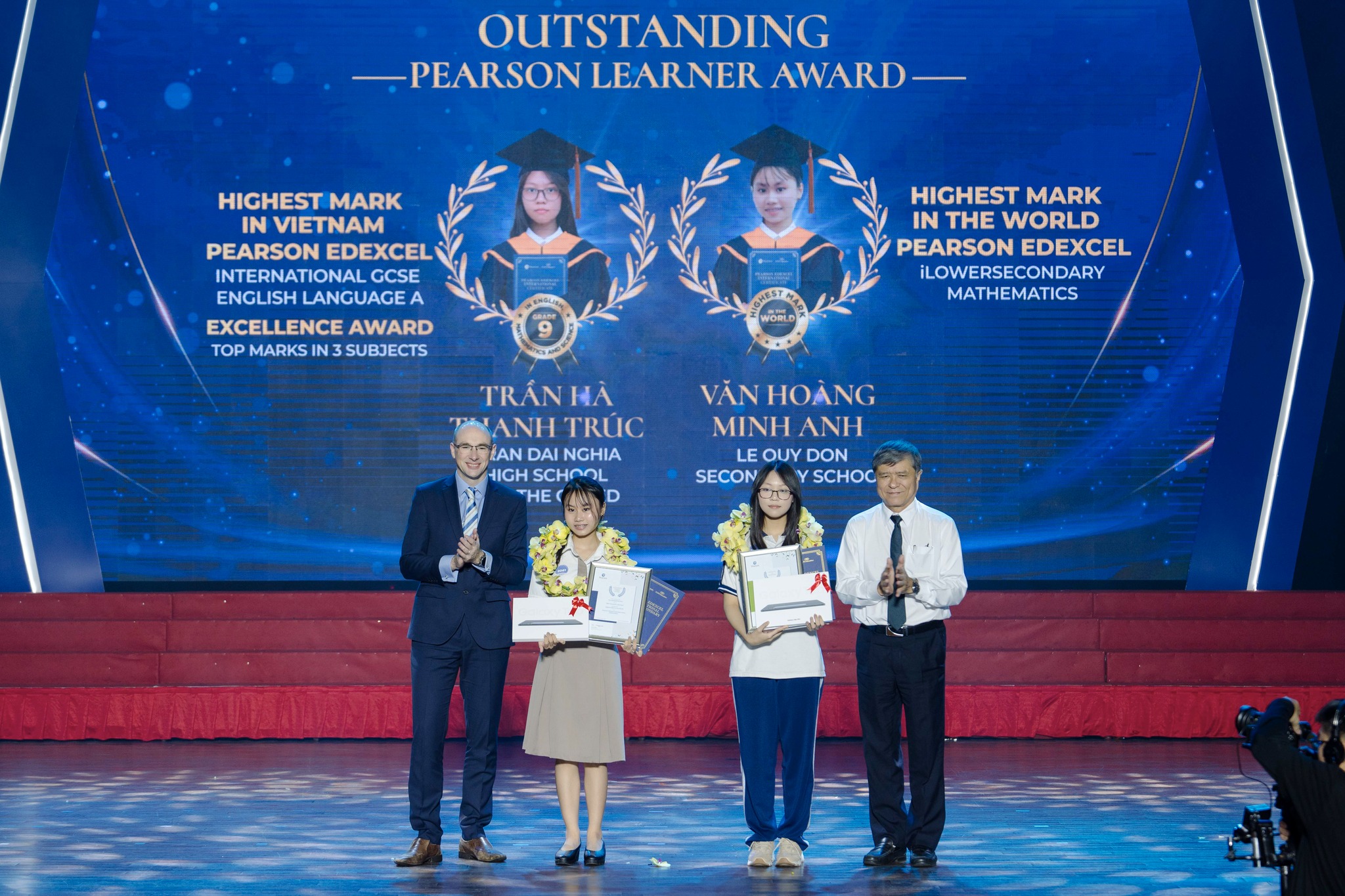
Mr. Nguyễn Văn Hiếu, Director of the Ho Chi Minh City Department of Education and Training (far right), and Mr. David Albon – Director of International Programs at Pearson – presented awards to Văn Hoàng Minh Anh – a student of Lê Hồng Phong High School for the Gifted – who achieved one of the world’s highest Mathematics scores in 2024
With these results, many education experts have stated that Project 5695 is a favorable foundation for Ho Chi Minh City to implement the policy of making English a second language in schools.
At the conference reviewing 10 years of Project 5695 (organized by the Ho Chi Minh City Department of Education and Training at the end of 2024), Mr. Phạm Ngọc Thưởng, Deputy Minister of Education and Training, evaluated:
“The timely consultation, issuance and implementation of Project 5695 demonstrate the foresight, agility, and boldness to innovate of the leaders of Ho Chi Minh City and the Department of Education and Training. Practice has proven that the project brings positive and sustainable effectiveness.”
In addition, Mr. Thưởng requested the Ho Chi Minh City Department of Education and Training to consider expanding Project 5695 and extending the teaching of other subjects in English (besides Mathematics and Science), gradually making English a second language in schools.
Digital transformation in education
According to Mr. Hồ Tấn Minh, Chief of Office of the Ho Chi Minh City Department of Education and Training, the education sector has developed a specific roadmap and implemented strategic task groups, including building comprehensive education data; implementing AI training programs for students; and improving digital transformation capacity for administrators and teachers.
These programs are designed based on experiences from advanced countries such as Japan and Singapore while ensuring compatibility with the domestic education curriculum.
“One important step is building a shared database as a foundation for analysis, forecasting and decision-making. The application of AI in education not only personalizes learning but also supports early student orientation, forecasts future education needs and optimizes development strategies.
The application of technology in education has brought many practical benefits. For teachers, they are equipped with tools such as digital lessons, simulation software and online materials, helping innovate teaching methods.
For students, lessons illustrated with images, videos and simulations stimulate creative thinking and develop self-learning and real-world problem-solving skills. The entire education system has made remarkable improvements thanks to the combination of technology and modern educational methods,” Mr. Minh said.
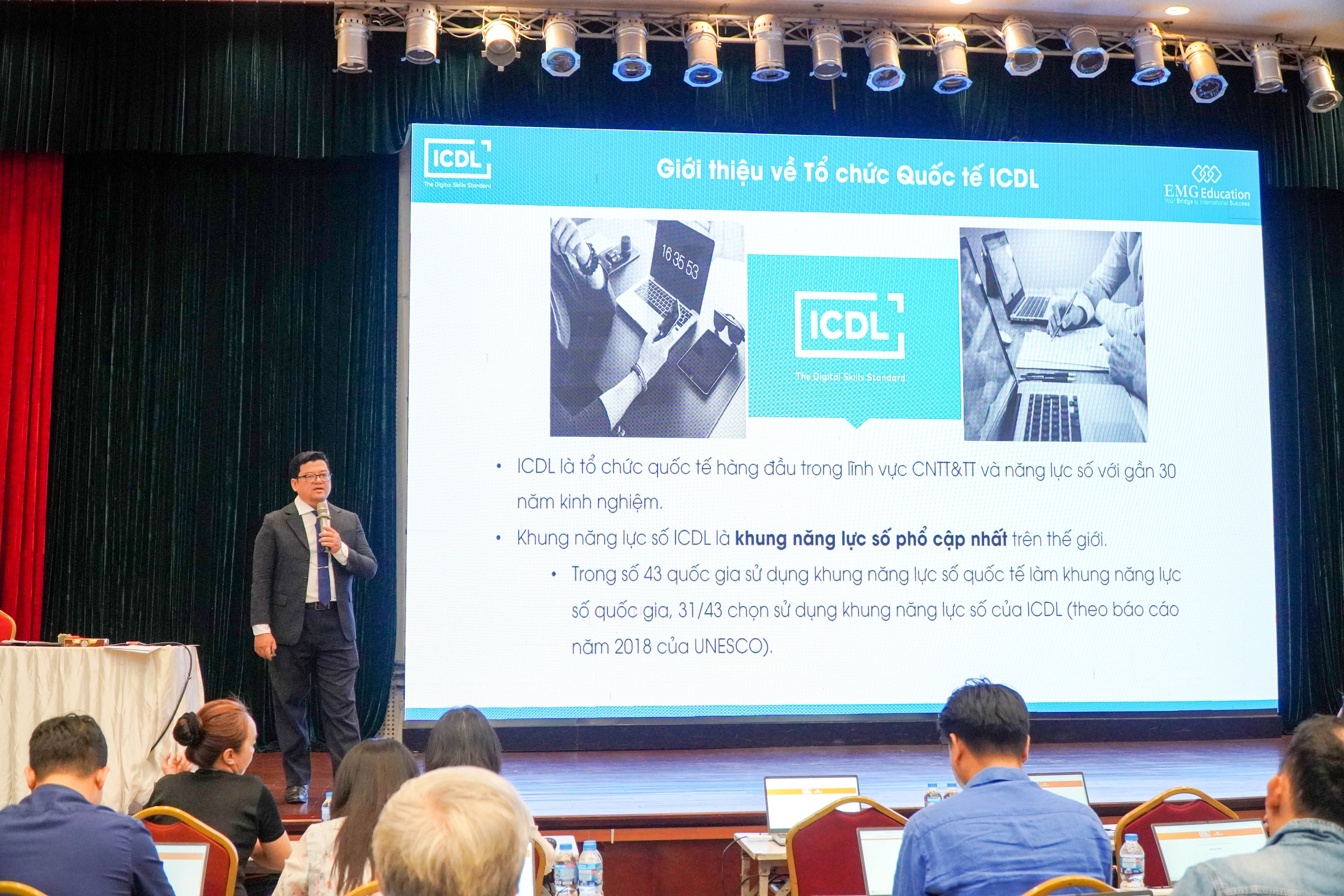
Since 2024, Ho Chi Minh City’s education sector has implemented digital school standards as a breakthrough to promote digital transformation in education.
Mr. Minh shared: “This is not only a tool to evaluate and recognize schools that meet digital standards, but also a strategic foundation to guide innovative solutions that meet the development needs of the era.”
The standards include six major areas: digital institutions, digital infrastructure and facilities, digital data, digital human resources, digital governance and management, and digital education.
Regarding digital institutions, regulations and procedures are designed to ensure the effective and safe use of digital technology in education, marking an important step in establishing digital governance foundations in schools.
Digital infrastructure and facilities include modern equipment such as smart classrooms, data management systems and online teaching support devices.
Digital data standards ensure that information about students, staff, facilities and digital learning resources meets the criteria of “accurate, sufficient, clean and up-to-date”, enhancing data-driven decision-making.
Digital human resources are also essential. The standards emphasize training administrators, teachers and staff in IT and information security to ensure everyone meets digital working requirements.
Digital education is considered the core of the standards, featuring blended learning models combining in-person and online learning through modern systems such as LMS and LCMS.
By the end of the 2024–2025 academic year, Ho Chi Minh City had 100 primary, secondary and high schools meeting digital school standards. In the 2025–2026 academic year, these standards are being expanded across more schools.
“Digital transformation in education is not simply about applying technology but about changing mindsets and operational methods of individuals and organizations within the education system. With a clear strategy and synchronized technological platforms, Ho Chi Minh City is gradually building a sustainable, modern digital education system aligned with global educational trends,” affirmed Mr. Hồ Tấn Minh.
Source: Tuổi Trẻ